
A portable generator can help keep selected household essentials running during an outage. Connecting one to the home’s wiring takes more planning than choosing a generator and adding an outdoor inlet.
For homeowners in Bailey, Conifer, and the southeast Denver metro, a useful backup plan answers three questions: what needs power, how the generator connects safely, and who will operate it when the lights go out.
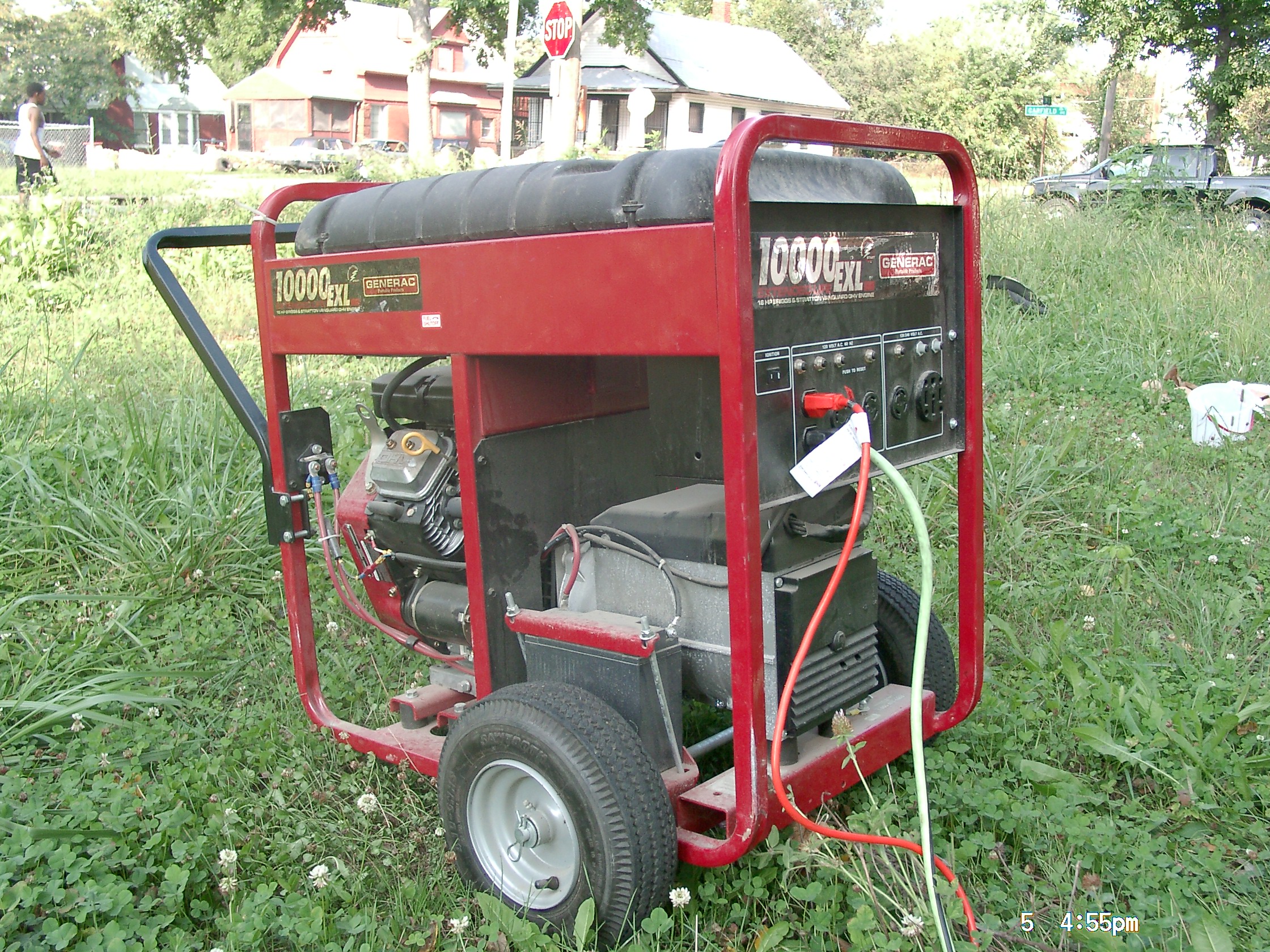
Start with a short priority list
List the equipment you most want available: refrigeration, selected lights, communications equipment, a furnace blower, or a well or sump pump if the property has one. Then identify the loads you can leave off.
Motor-driven equipment can require additional power when starting. Generac distinguishes continuous running output from temporary starting output and warns that a generator receptacle’s capacity can also limit usable power. Have the electrician evaluate the actual generator model and equipment loads together. The largest wattage number on the carton is not a complete system design.
The inlet and transfer arrangement have different jobs
An exterior inlet provides a purpose-built connection point. The transfer arrangement prevents the generator supply from unintentionally energizing utility lines.
Depending on the home and generator, the design may use a manual transfer switch or an approved interlock arrangement compatible with the specific panel. An interlock physically prevents the utility main and generator supply breakers from being on together. Compatibility involves the exact equipment, configuration, manufacturer instructions, and local approval requirements.
The electrician also needs to review the generator’s electrical characteristics, including neutral and grounding arrangements, and select appropriate connection equipment. This is professional installation work. A generic online kit or the promise to remember which breaker to turn off is not an adequate design review.
Never power house wiring by plugging a generator into a household receptacle. CPSC warns that this dangerous practice can electrocute utility workers and others. Do not use a homemade backfeed cord.
Plan the operating location before the inlet location
Portable generators produce carbon monoxide, which you cannot see or smell. CPSC advises outdoor operation at least 20 feet from doors, windows, and vents that could admit exhaust. Never run a generator in a house, garage, basement, crawlspace, shed, or other enclosed space, even with doors open.
Have the installer review a practical outdoor operating location, exhaust direction, connection route, and manufacturer-approved weather precautions. Do not assume the driveway beside the garage is suitable. Maintain working CO alarms with battery backup as directed by their manufacturer. If anyone feels sick, dizzy, or weak during generator use, get to fresh air immediately and seek emergency help.
Make the handoff part of the project
Ask for clear labeling, a written operating procedure for the installed equipment, and a demonstration. The household should understand its supported loads, maintenance responsibilities, and safe fuel-storage and refueling requirements. Confirm who will manage the generator when conditions are unpleasant or the usual operator is away.
Common questions
Will an inlet let me run everything in the house?
No. Available power depends on the generator, connection equipment, and the loads operating together. A backup plan should clearly identify the intended limits.
Does this system start automatically?
A typical portable-generator inlet and manual transfer arrangement requires someone to operate it. If automatic operation is important, compare a professionally designed standby system.
Build a backup plan you can use
Black Ridge Electric LLC serves Aurora, Parker, Centennial, Bailey, and Conifer. See our portable generator backup service or request a project quote. Call 719-881-8357 or email support@blackridgeelectric.com.
Sources: CPSC: portable generator hazards; Generac: portable generator power limits; Schneider Electric: interlock kit testing and listing; Westinghouse: panel-specific interlock compatibility.
Photo: Gbleem / Wikimedia Commons, CC BY-SA 3.0.


