
If your outdoor outlets are not working, a tripped GFCI is one possible explanation. The trouble could also involve the equipment plugged in, a loss of power to the circuit, or an electrical fault. A few safe observations can help you describe the problem when you call an electrician. You do not need to remove an outlet or inspect wiring to gather useful information.
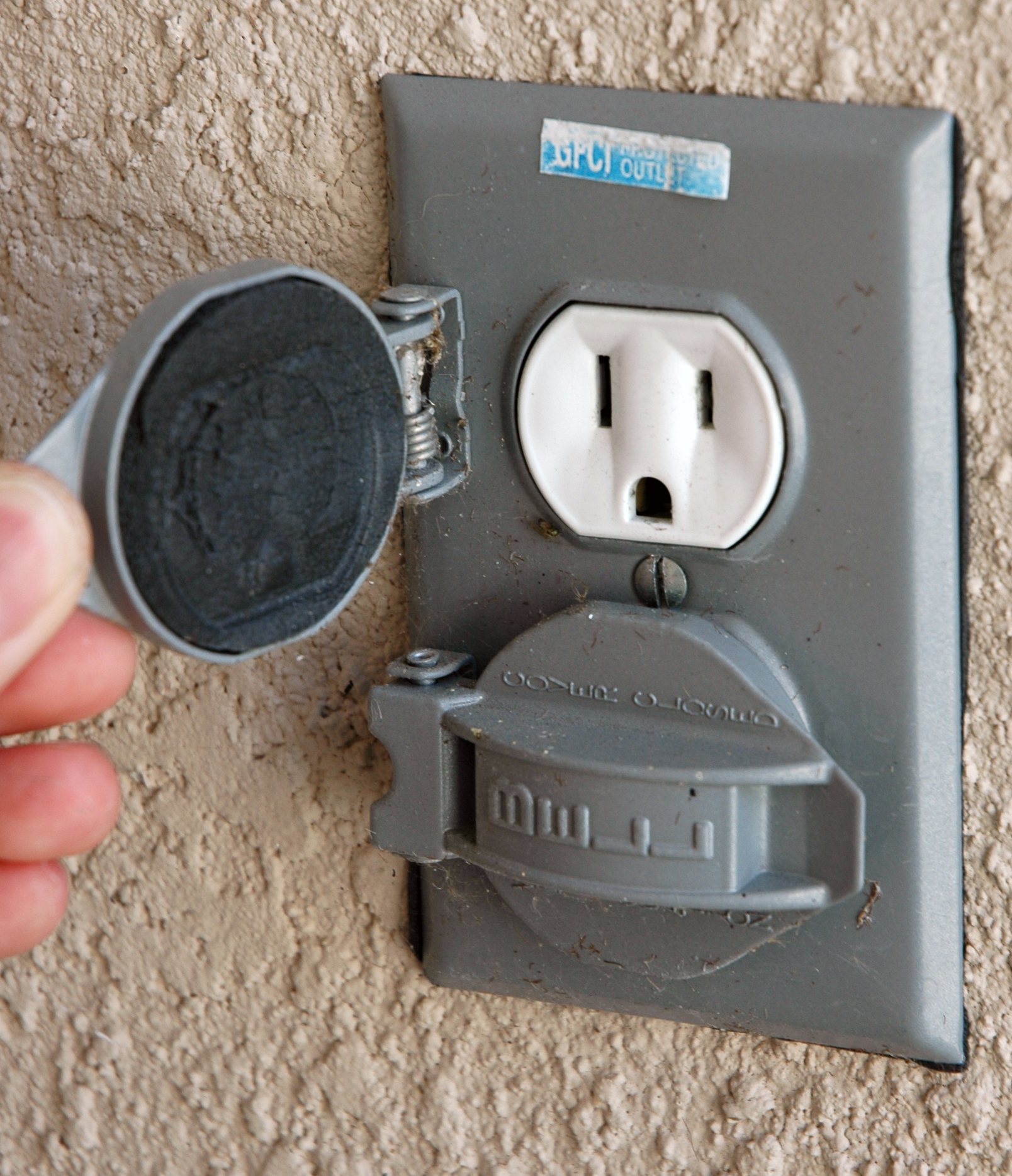
Start with safety
Stop using the outlet if you notice a burning smell, discoloration, buzzing, visible damage, or any shock or tingling. Keep clear of wet outlets and damaged cords. Do not touch equipment to check whether it is hot or energized. Have an electrician assess the problem. For smoke, fire, or immediate danger, move to safety and call 911. 1, 2, 6
Do not remove outlet faceplates, open electrical boxes, remove a panel cover, or attempt wiring repairs. An outlet that appears dead should still be treated as potentially energized.
Note what stopped working and when
Write down which outlets or devices stopped working. Did the problem begin after rain, sprinkler use, or plugging in a tool? Are several outdoor locations affected? Include anything that was already plugged in, such as landscape lights or holiday decorations.
Observe accessible cords and covers without handling damaged or wet equipment. These details can help an electrician narrow the investigation. The timing alone does not establish the cause.
Look for GFCI protection
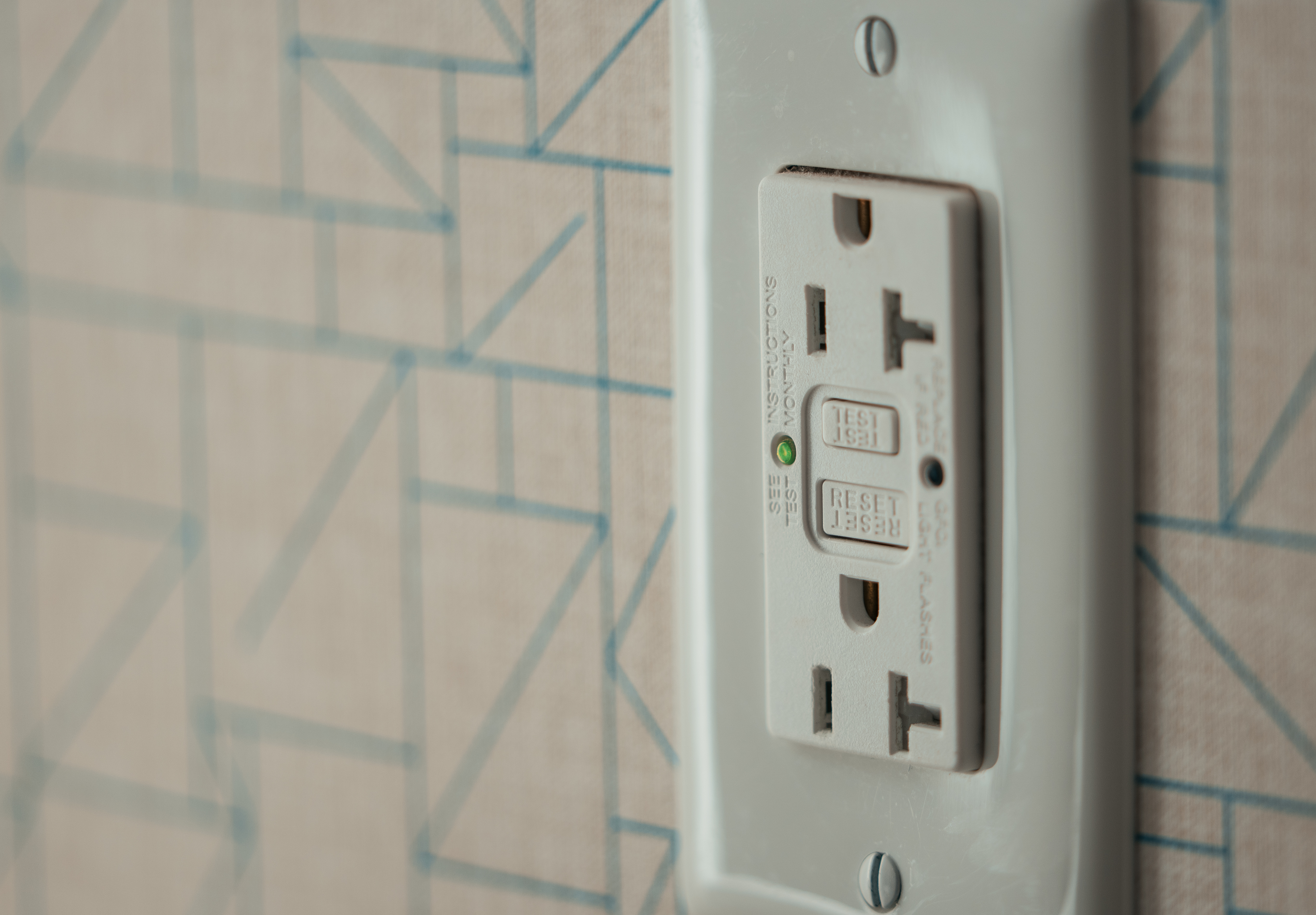
A ground-fault circuit interrupter, or GFCI, helps protect people from electric shock by shutting off power when it detects a ground fault. Some receptacles have TEST and RESET buttons on the front. Protection may also come from a device elsewhere on the circuit. 3
One GFCI can protect additional outlets connected downstream. That means several outdoor outlets can stop working when one protective device trips. An outlet without its own buttons may still have GFCI protection. Do not assume the closest GFCI controls your outdoor outlet; the wiring arrangement needs to be confirmed. 3, 4
Treat a failed reset as a reason to stop
Only use an accessible GFCI’s TEST or RESET controls when the device and surrounding area are dry and undamaged, there are no warning signs, and you can follow the instructions for that exact model safely. If water may have entered the outlet, leave it alone for professional inspection. 2, 3
If the GFCI will not reset, fails its test, or trips again, stop troubleshooting and call an electrician. Do not keep resetting a GFCI or circuit breaker. Some GFCIs prevent reset when they lack incoming power or cannot provide protection. A failed reset does not, by itself, tell you which part needs repair. 3, 5
What a diagnostic visit can do
An electrical diagnostic visit can identify the cause of lost power and the work needed to address it. Depending on the findings, parts, and scope, the problem may be repaired within the agreed service time. More involved work may need a separate plan. Ask what the diagnostic visit includes and confirm the scope before work begins.
Common questions
Why did all my outdoor outlets stop working at once?
They may share a circuit or GFCI protection. A problem at one point can interrupt power to several outlets, but an electrician needs to confirm the cause. 3, 4
Can I use an outdoor outlet again after it dries?
Do not assume drying makes a water-affected outlet safe. Keep it out of use until an electrician has evaluated it. Avoid trying to dry the outlet yourself. 2
Need an electrician in Aurora
Black Ridge Electric LLC serves homeowners in Aurora, Parker, and Centennial. Learn about our electrical troubleshooting service, or call or text 719-881-8357. Tell us which outlets are affected, when the problem started, and whether you noticed moisture, damage, or repeated tripping.
support@blackridgeelectric.com
Sources
1. ESFI: Electrical Safety Dos
3. CPSC: Ground-Fault Circuit Interrupters (GFCIs)
4. Leviton: GFCI Trip Application Note
6. ESFI: Home Fire Safety for Older Adults (printed page 14)
Photo credits
Outdoor outlet: Steven H. Keys / Keys Photography, CC BY 2.5, Wikimedia Commons. Full image, no crop.
GFCI outlet: Tony Webster, CC BY 2.0, Wikimedia Commons. Full image, no crop.


_Electrical_Outlet_(29268945818).jpg)