
Before choosing a home EV charger, answer two practical questions: how much driving do you need to replace each day, and how long will the car normally be parked? Those answers help determine a useful charging rate before you spend money on equipment or electrical work.
For an Aurora commuter or a Parker household planning a second EV, the best setup starts with the parking routine and an electrical assessment.
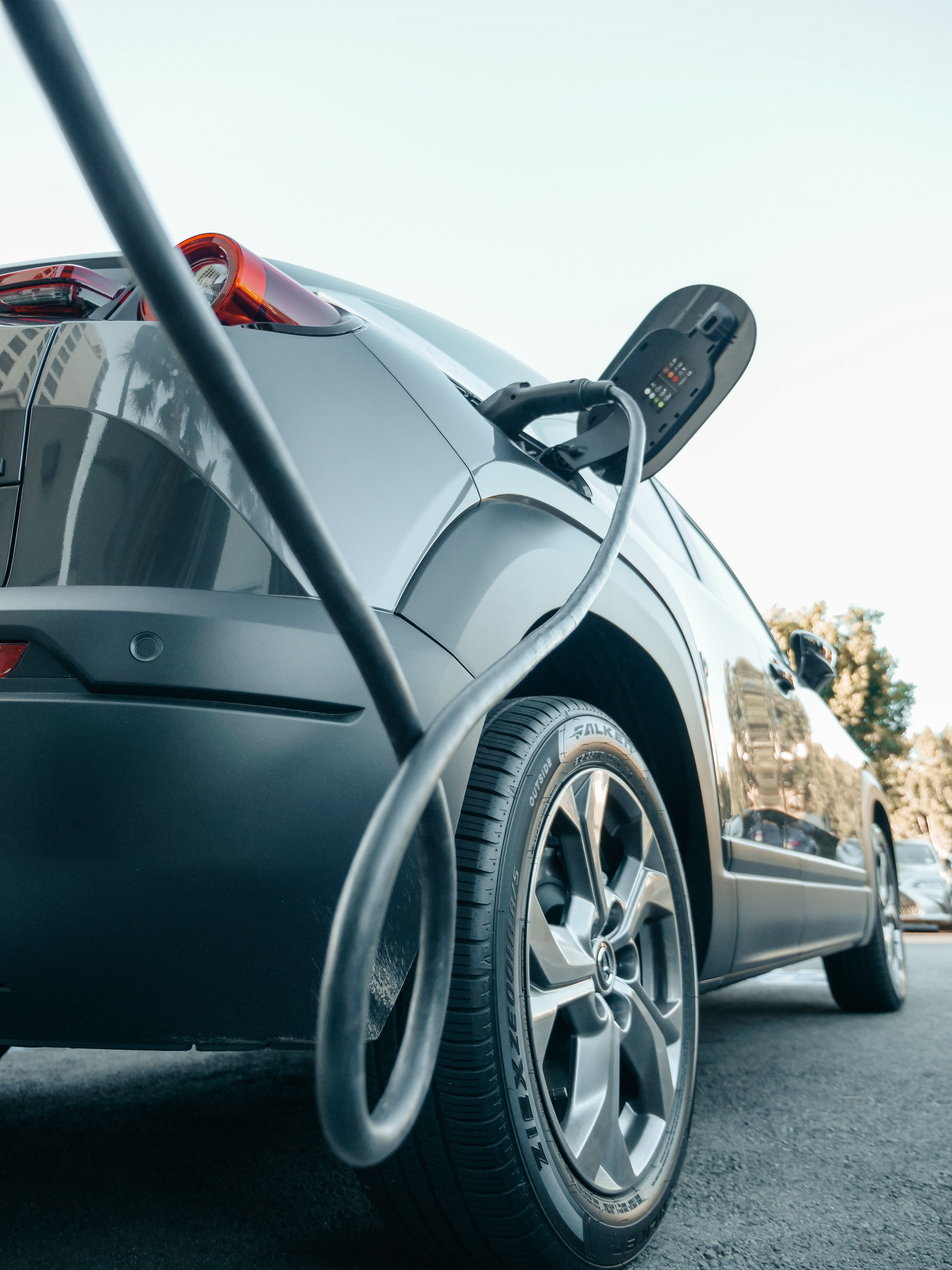
Match charging speed to your routine
Level 1 charging uses 120-volt power. Residential Level 2 charging generally uses 240-volt power and can replenish energy faster. The Department of Energy notes that some drivers can meet their daily needs with overnight Level 1 charging when a suitable dedicated circuit is available.
Level 2 can make sense for higher daily mileage, a shorter overnight window, or more flexibility between trips. Actual charging speed also depends on the vehicle’s onboard charging capability and the power the installation provides. Buying a higher-output charging unit does not guarantee that the vehicle will use its full advertised output.
Bring the vehicle model, typical mileage, parking location, and future vehicle plans to the first conversation. A charging plan should fit ordinary days while accounting for the occasional day that looks different.
Compare electrical capacity options before assuming an upgrade
An electrician should assess equipment condition, available circuit space, and the home’s electrical load. Possible approaches include a dedicated charging circuit at an appropriate output, compatible load-management equipment, or a panel or service upgrade when the assessment supports it.
Dynamic load management can reduce charging output as other household demand rises and increase it when capacity becomes available. For example, Tesla describes this behavior for compatible Wall Connector installations using an approved power meter. Other products have their own capabilities and limitations.
The important tradeoff is charging time: a managed charger may slow down when other large appliances are running. Ask whether the proposed setup can meet your expected overnight needs. A timer alone does not establish electrical capacity; the installation still needs a suitable design and any required approvals.
Choose the equipment and location together
Check these details before ordering:
- Vehicle compatibility: Confirm the connector and any manufacturer-approved adapter requirements for the actual car.
- Installation method: Have the electrician compare hardwired and receptacle-connected options against the equipment instructions and applicable requirements.
- Parking access: Plan cable reach, mounting location, and a route that avoids creating a trip hazard.
- Outdoor use: Choose equipment rated for its installed environment. DOE specifically calls for outdoor-rated equipment for outdoor installations.
- Future charging: If a second EV is likely, ask about supported power-sharing arrangements before committing to the first unit.
Also check your own utility’s current rate options. Any potential benefit from scheduled charging depends on the rate plan that actually applies to your account.
Common questions
Can I use an existing garage outlet?
Possibly, but an outlet’s presence does not establish that it is suitable for sustained EV charging. Have the circuit and receptacle assessed, and follow the vehicle and charging-equipment instructions.
Will I definitely need a 200-amp service?
No universal service size fits every EV installation. The home’s existing loads, equipment condition, desired charging rate, and available approved management options determine the recommendation.
Plan charging around your home
Black Ridge Electric LLC serves Aurora, Parker, Centennial, Bailey, and Conifer. Explore residential EV charging and request a project quote. Call 719-881-8357 or email support@blackridgeelectric.com.
Sources: DOE: charging at home; DOE: charging equipment and charging times; Tesla: Wall Connector power management.
Photo: Kindel Media / Pexels. Pexels License.

