
An outlet that crackles or a breaker that repeatedly trips deserves attention. You do not need to identify the failed component yourself. The useful first step is recognizing the warning sign, avoiding further exposure, and getting the right help.
If you see smoke or fire, or believe there is immediate danger, leave the home and call 911 from a safe location. Do not delay evacuation to inspect a panel, unplug equipment, or photograph the problem. Stay outside until emergency responders say it is safe to return.
Warning signs that deserve prompt attention
The Consumer Product Safety Commission’s home wiring guide identifies symptoms such as overheating, burning odors, electrical shocks, and recurring circuit problems. Watch for:
- Scorching, discoloration, or melting around an outlet, plug, or switch
- A burning or hot-plastic smell near electrical equipment
- Crackling, sizzling, or unusual buzzing from an outlet or switch
- Repeated breaker trips or recurring loss of power
- A shock or tingling sensation when touching an appliance
- Persistent or unexplained flickering and dimming
Stop using the affected equipment and keep people away from the area. Do not touch a suspect outlet to check whether it is hot, recreate a shock, or repeatedly reset a breaker to see whether the problem returns. Do not handle a plug that is damaged, hot, or sparking.
A symptom can have more than one cause. Its location, timing, and relationship to other equipment help a professional investigate it.
Loose plugs and damaged cords matter too
A plug that will not stay firmly seated needs attention. Frayed insulation, crushed cords, and cords hidden under rugs are also warning signs.
The U.S. Fire Administration’s electrical safety guidance recommends replacing worn cords, avoiding cord damage, and plugging major appliances directly into wall outlets. A power strip does not make a heavily loaded circuit suitable for additional appliances.
If your room needs extension cords for everyday use, discuss a permanent outlet and circuit plan with an electrician. Avoid covering damaged insulation with tape and continuing to use the item.
Gather observations without investigating wiring
Once there is no immediate danger, write down what you noticed:
- Which room and device were involved
- Whether one location or several were affected
- What equipment was operating at the time
- When the issue began and how often it has occurred
- Any recent appliance additions, leaks, or renovation work
Photographs can help only when they can be taken safely from outside intact equipment. Leave panel covers, receptacles, and electrical enclosures in place. You do not need exposed-wire photos to request service.
Make routine safety checks part of home care
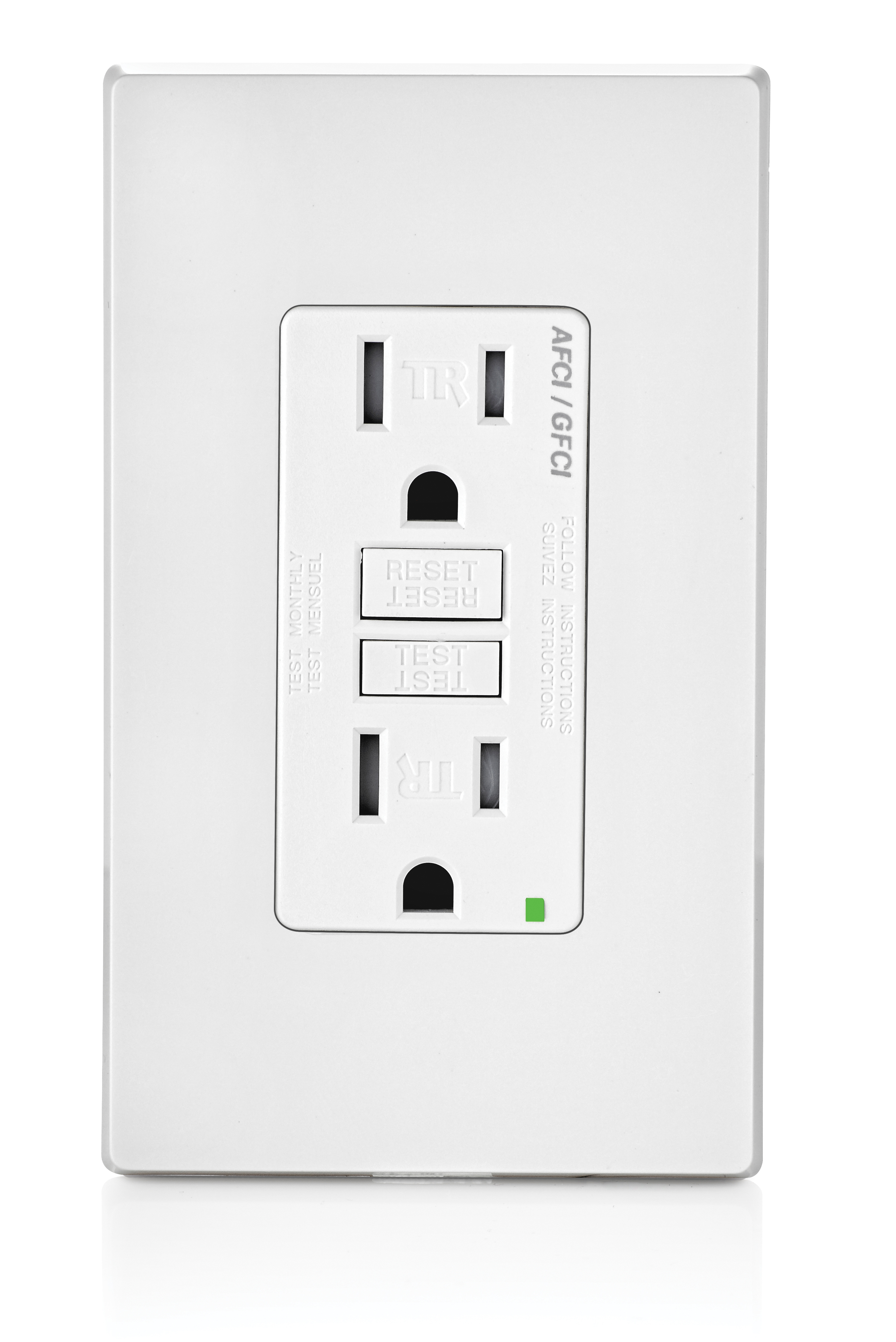
Follow manufacturer instructions for testing GFCI and AFCI devices. If a device fails its prescribed test, arrange a professional evaluation rather than relying on the outlet simply because it still supplies power. ESFI’s home-safety guidance explains the role of these protective devices.
An electrical review can also be useful when buying an older home, planning a major renovation, or adding significant electrical equipment. Describe your actual concerns and planned changes so the review has a clear purpose.
Frequently asked questions
If a breaker resets, is the problem fixed?
A reset alone does not identify or correct the cause. Repeated trips should be evaluated. Avoid repeatedly re-energizing a circuit that is showing warning signs.
Can I wait until the electrician arrives if I smell burning?
Do not remain near a suspected electrical fire or immediate hazard while waiting for a service appointment. Leave and call 911 when fire or immediate danger is suspected.
Request electrical troubleshooting
For non-emergency troubleshooting in Aurora, Parker, Centennial, Bailey, or Conifer, contact Black Ridge Electric LLC at 719-881-8357, support@blackridgeelectric.com, or send a service request. Describe the symptoms and when they occur.


