
A useful commercial EV charging project starts with the vehicles and the property. An office parking lot, apartment community, and delivery fleet can need very different charging arrangements, even with the same number of vehicles.
Before choosing hardware, write down who will charge, when vehicles arrive, how long they remain parked, and who will operate the equipment. That short brief gives the electrical, utility, and property teams something concrete to evaluate.
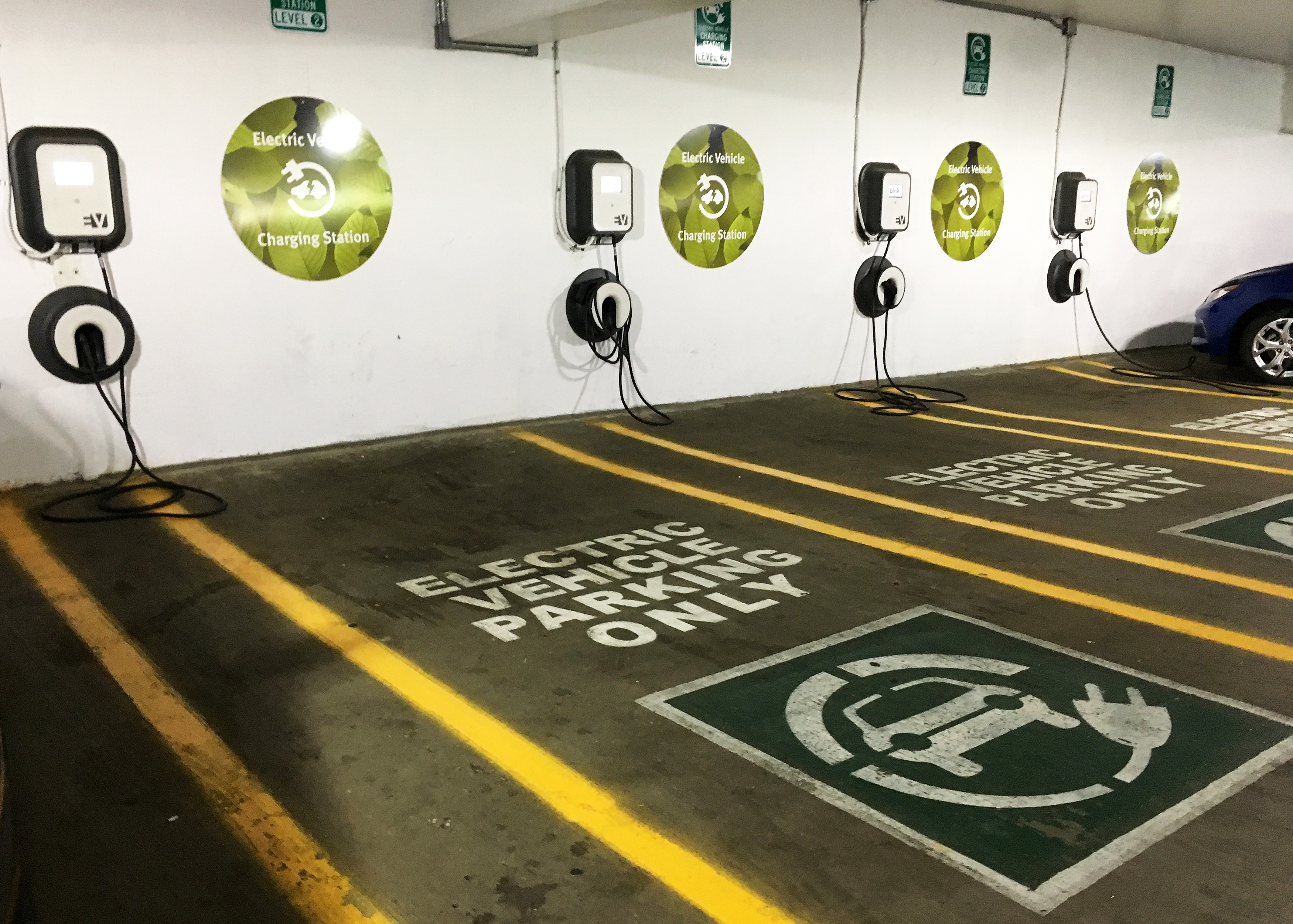
Match charging to the daily schedule
For a fleet, gather daily mileage, vehicle specifications, return times, and the next required departure. Include seasonal operating conditions and plans to add vehicles. DOE’s fleet charging guidance recommends analyzing energy needs and charging windows together.
Employee and resident charging may offer longer parking periods. Customer charging may involve shorter visits. Select charging power and connector compatibility around those needs rather than assuming the fastest equipment is always the best fit.
At multifamily properties, settle whether spaces are assigned or shared, who can authorize construction, and how charging costs will be allocated. DOE highlights parking, service access, and billing as distinct multifamily planning issues.
Bring the utility into the conversation early
Have the project team evaluate the existing service, distribution equipment, building loads, and proposed simultaneous charging demand. Ask the serving utility about available capacity, potential upgrades, metering, and rate options before announcing an opening date.
DOE’s EV readiness guidance recommends site-level utility evaluations to establish power availability and upgrade needs. Capacity inside the building and capacity available from the utility are separate questions.
Ask whether a properly designed load-management approach could meet the operating schedule. It may help control peak demand, but feasibility depends on the vehicles, equipment, electrical design, and available charging time.
Draw the parking and conduit plan
Map proposed charging spaces, electrical routes, pedestrian paths, equipment protection, drainage, and snow-clearing operations. Include pavement restoration and any conflicts with landscaping or other underground utilities in the scope discussion.
For future growth, ask the design team to compare installing only the first phase with preparing additional conduit routes or equipment space now. Record the assumed expansion target. Future preparation should be tied to a realistic plan.
Address accessibility at the beginning, including routes, clear maneuvering space, charger controls, cable handling, and payment interfaces. The U.S. Access Board’s design guidance is a useful reference. Have the project team confirm the applicable ADA and other accessibility requirements for the particular property; recommendations and enforceable requirements are not interchangeable.
Decide how the stations will be operated
Before signing a vendor agreement, ask:
- Who owns the chargers and handles repairs?
- How will employees, residents, guests, or fleet drivers gain access?
- Will users pay, and which payment methods will be supported?
- What network subscriptions and transaction fees apply?
- Is dependable internet or cellular service available at the chargers?
- What happens if connectivity fails or the network provider changes?
- Who answers driver support requests?
DOE’s infrastructure procurement guide covers networking, ownership, and ongoing costs. Include these costs alongside equipment, electrical work, civil work, and applicable permitting and inspection expenses.
Frequently asked questions
Does every commercial location need DC fast charging?
No. Longer parking periods may allow lower-power charging to meet the need. Short turnaround windows or higher-energy fleet operations require a different assessment.
Can we start small and expand later?
Often that is worth evaluating. Ask for a phased plan that identifies what the first installation supports and what later expansion would require. Utility capacity and physical space still need review.
Start with a site conversation
Planning EV charging at a business, multifamily property, or fleet location? Contact Black Ridge Electric LLC at 719-881-8357, support@blackridgeelectric.com, or send a project request to discuss the site and potential electrical scope. Include the property location, intended users, and initial vehicle count.
Photo: Mariordo (Mario Roberto Durán Ortiz) / Wikimedia Commons, CC BY-SA 4.0.


